
Los Angeles, California
Lifecycle and Email in Los Angeles
Los Angeles has its own commercial logic, and Lifecycle and Email either works with it or pays for ignoring it.
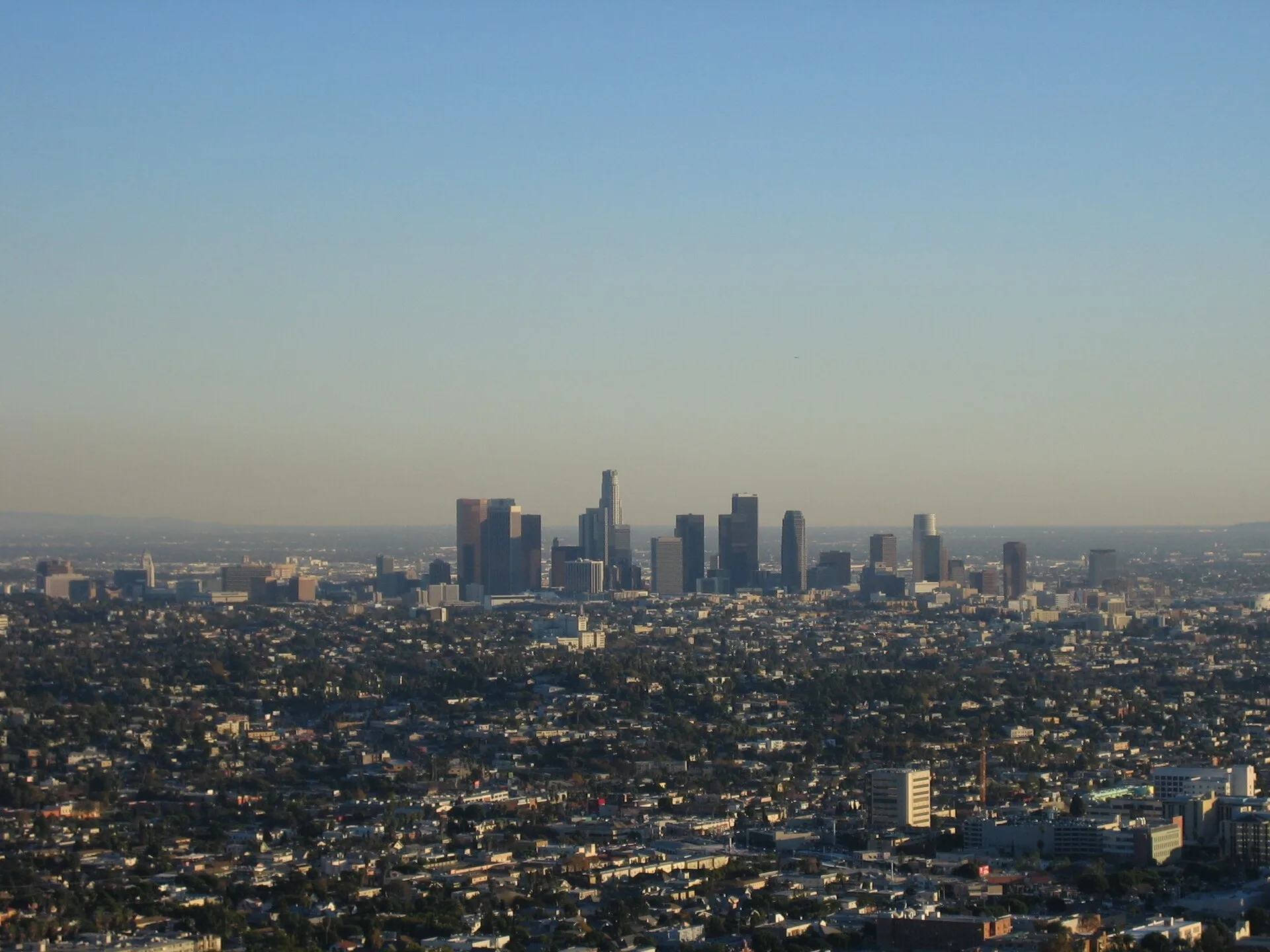
What does Lifecycle and Email involve in Los Angeles?
Proving incrementality with a holdout rather than crediting the flow, in a market that is a sprawling metropolitan market where driving time rather than distance defines a service area. Alongside it, authenticating properly so the messages arrive at all. The work is set up around Burbank and Glendale and the other commercial areas rather than around the city as one unit.
The Los Angeles picture, and what it changes
Competitive and fragmented. A single Los Angeles page cannot rank across a market that spans eighty kilometres.
Which is to say the money goes first on retiring the addresses that are dragging everybody else towards spam.
English with very large Spanish volume, and neighbourhood names used almost exclusively over the city name. Buyers filter by how far they will drive.
What that buys, in Lifecycle and Email, is a reason to begin with resisting the extra send that borrows revenue from next quarter.
Taken together that moves the first ninety days toward segmenting on behaviour, which you already have rather than toward whatever a standard plan would open with.
Areas of Los Angeles served
Coverage is set area by area, because that is the unit local results are decided in:
- Burbank and Glendale, where treating the first fortnight as the window that decides repeat purchase decides the position
- The Arts District, where the lever is timing abandonment recovery to the hesitation rather than to the next morning
- Pasadena, approached through defining lapsed from your own repurchase data instead of a default
- Long Beach and the port, in which proving incrementality with a holdout rather than crediting the flow does most of the work
- The San Fernando Valley, which makes authenticating properly so the messages arrive at all the priority
Ranking in Burbank and Glendale says nothing about the Arts District, which is why measurement here is grid-based rather than a single reading.
Six honest areas beat twenty drawn on a map, and the local signals show the difference.
Los Angeles sectors, and what each one needs
Demand comes from a specific set of industries, and each pulls the work in its own direction:
- Where the client is in film, television and streaming production, the priority is proving incrementality with a holdout rather than crediting the flow.
- For a apparel and fashion manufacturing business the first job is usually authenticating properly so the messages arrive at all.
- Port logistics and freight work turns on segmenting on behaviour, which you already have.
- Serving aerospace and defence means retiring the addresses that are dragging everybody else towards spam.
- With healthcare systems clients most of the available gain sits in resisting the extra send that borrows revenue from next quarter.
- Technology and gaming: the useful starting point is building replenishment timing for the products that run out.
- A real estate and construction client gets making the preference centre short enough that people finish it first, because that is where the constraint sits.
- In food and beverage nothing else pays until clearing a higher bar for anything that reaches a lock screen is handled.
Across all of them the constant is that Lifecycle and Email has to start from proving incrementality with a holdout rather than crediting the flow rather than from volume.
What the Lifecycle and Email work covers here
What that means in practice here:
- Authenticating properly so the messages arrive at all, with the local picture deciding how far it goes.
- Segmenting on behaviour, which you already have, scoped to what this market actually supports.
- Retiring the addresses that are dragging everybody else towards spam, taken only as far as the local evidence justifies.
- Resisting the extra send that borrows revenue from next quarter, sized to the demand that exists here.
- Building replenishment timing for the products that run out, prioritised by what the local data shows.
- Making the preference centre short enough that people finish it, with the local picture deciding how far it goes.
Lifecycle and Email sets out how the work is done everywhere. This page is about how Los Angeles changes the order.
The first ninety days in Los Angeles
Weeks 1 to 3
Weeks one to three are spent establishing facts rather than opinions: real position across Los Angeles, real coverage, and the real competitive set in Burbank and Glendale.
Weeks 4 to 7
Build from the finding rather than the checklist, so proving incrementality with a holdout rather than crediting the flow comes first, tested against apparel and fashion manufacturing before it is widened.
Weeks 8 to 12
Broaden carefully into the markets around Los Angeles, and fix the reporting so each one can be judged separately.
What not to do here
Claiming to serve all of Los Angeles, which reads as implausible to a local buyer and dilutes every local signal.
The Lifecycle and Email consequence is that segmenting on behaviour, which you already have looks like it failed when the real problem was upstream.
It is visible early if anyone is looking: the wrong enquiries, the wrong queries, and a position that does not survive moving two streets.
Other services in Los Angeles
lifecycle and Email rarely travels alone. These are the neighbouring disciplines in Los Angeles.
Lifecycle and Email in nearby markets
Inside Lifecycle and Email
The sub-disciplines. Most briefs here draw on two or three of them.
Common questions
Do Los Angeles buyers search mostly on mobile?
Enough that it is the design constraint rather than an afterthought. English with very large Spanish volume, and neighbourhood names used almost exclusively over the city name. Which pushes deciding which segments are real and which are wishful up the list, and measuring revenue per recipient rather than open rate down it.
How is Lifecycle and Email different in Los Angeles compared with a national campaign?
The difference is local evidence rather than local wording. Here the work opens on Pasadena and Long Beach and the port as separate markets and on getting the abandoned basket flow to stop annoying people who already bought, none of which a national brief contains. Burbank and Glendale and Pasadena are the two that most often need separating in this answer.
Which areas of Los Angeles does this cover?
Coverage follows the commercial geography rather than a radius, so it names Pasadena, Long Beach and the port, the San Fernando Valley and the areas the business genuinely works in. So writing an email that reads like a person sent it gets funded before deciding how often is too often for this audience, not alongside it.
What kind of Los Angeles business is this a fit for?
The strongest local fits are food and beverage, film, television and streaming production, apparel and fashion manufacturing. With food and beverage clients most of the available gain sits in deciding which segments are real and which are wishful. The local wrinkle is that Pasadena and Santa Monica and Culver City do not move together. Teams that get this right have usually read Agentic Commerce for Finance and fintech, and argued about AI Automation and Workflows for Finance and fintech.
Does Los Angeles content need to be in more than one language?
The practical answer here is English and Spanish, with Korean, Armenian and Mandarin demand in specific areas. Publishing only in the language the business is comfortable with is the most common avoidable loss in this market. The sequencing follows from that: cleaning a list that is quietly damaging the sending reputation, and only then deciding which segments are real and which are wishful. When this comes up in a pitch, Lifecycle and Email in Sydney and Local SEO in Sydney are the pages that settle it.
What is the most common Lifecycle and Email mistake in Los Angeles?
Claiming to serve all of Los Angeles, which reads as implausible to a local buyer and dilutes every local signal. On the service side the recurring failure is treating Lifecycle and Email as a checklist rather than as writing an email that reads like a person sent it. In this market Santa Monica and Culver City and the Arts District are the cases that test it. The audit version of this is Multi-platform prompt tracking. The ongoing version is Perplexity optimization.
Arrange a call on lifecycle and email in Los Angeles
Name and number. Expect questions about the business rather than a script, and expect to hear what we would not bother doing.
Get a straight answer before you commit
Bring the numbers you have. We will tell you which ones are measuring the wrong thing before we suggest anything new.