
Vancouver, British Columbia
Lifecycle and Email in Vancouver
Vancouver does not behave like the national average, and a Lifecycle and Email plan built on national assumptions finds that out expensively.
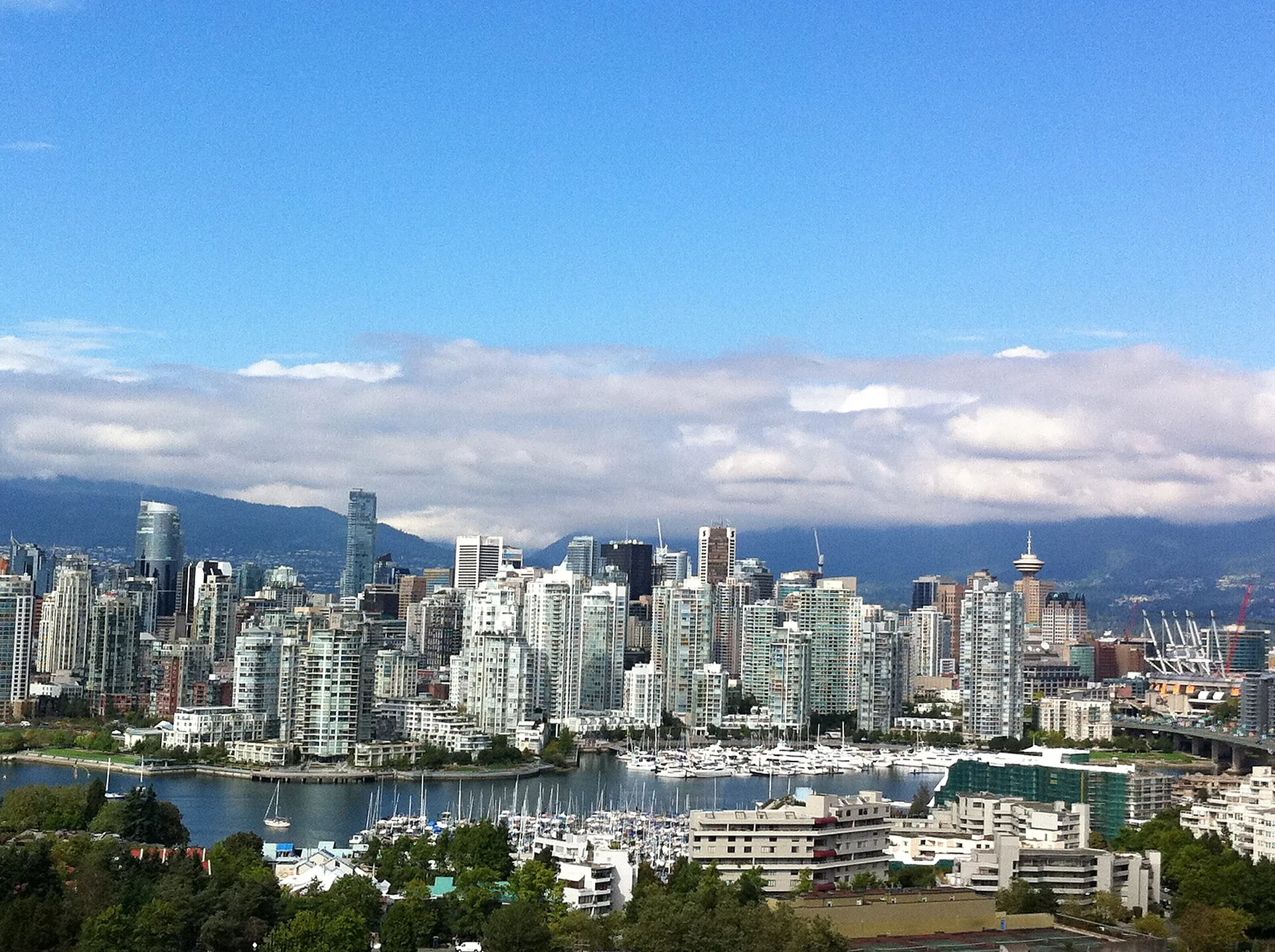
What does Lifecycle and Email involve in Vancouver?
Working out which flow is carrying the programme and which is decoration, in a market that is canada’s Pacific gateway. Alongside it, getting consent recorded in a way that survives an audit. The work is set up around Burnaby and Metrotown and the other commercial areas rather than around the city as one unit.
The Vancouver picture, and what it changes
English with significant Mandarin, Cantonese and Punjabi demand, and suburb names used heavily because the region is geographically constrained.
It changes the order of the work: deciding what to automate and what still needs a person first.
Relationship-led with a strong local preference, and sustainability credentials asked about early.
Practically, Lifecycle and Email starts here with keeping the sending domain healthy before scale makes it urgent.
Taken together that moves the first ninety days toward finding where the email promises something the landing page does not deliver rather than toward whatever a standard plan would open with.
Areas of Vancouver served
Coverage is set area by area, because that is the unit local results are decided in:
- Burnaby and Metrotown, approached through getting consent recorded in a way that survives an audit
- Richmond, in which finding where the email promises something the landing page does not deliver does most of the work
- Surrey, which makes deciding what to automate and what still needs a person the priority
- North Vancouver, handled by keeping the sending domain healthy before scale makes it urgent
- The Port of Vancouver, where the work leans on sending because somebody did something rather than because it is Tuesday
Position in Burnaby and Metrotown and position in Richmond are separate measurements, because local results are computed from where the searcher stands.
The pages name only the places the work actually reaches.
Vancouver sectors, and what each one needs
The sectors with real weight here each change what the work has to be good at:
- For film and visual effects production, that means working out which flow is carrying the programme and which is decoration.
- Where the client is in software and gaming, the priority is getting consent recorded in a way that survives an audit.
- Serving port logistics and trade means finding where the email promises something the landing page does not deliver.
- A forestry and natural resources client gets deciding what to automate and what still needs a person first, because that is where the constraint sits.
- In clean technology the work concentrates on keeping the sending domain healthy before scale makes it urgent.
- For a tourism and hospitality business the first job is usually sending because somebody did something rather than because it is Tuesday.
- With real estate development clients most of the available gain sits in treating the first fortnight as the window that decides repeat purchase.
- In higher education nothing else pays until timing abandonment recovery to the hesitation rather than to the next morning is handled.
Taken together they argue for depth in film and visual effects production before breadth across the rest.
What the Lifecycle and Email work covers here
Within that, the work itself covers:
- Retiring the addresses that are dragging everybody else towards spam, scoped to what this market actually supports.
- Resisting the extra send that borrows revenue from next quarter, taken only as far as the local evidence justifies.
- Building replenishment timing for the products that run out, sized to the demand that exists here.
- Making the preference centre short enough that people finish it, prioritised by what the local data shows.
- Clearing a higher bar for anything that reaches a lock screen, with the local picture deciding how far it goes.
- Setting expectations early, which prevents most of the early churn, scoped to what this market actually supports.
The general approach lives on Lifecycle and Email; the local adaptation is what this page is for.
The first ninety days in Vancouver
Weeks 1 to 3
Three weeks of looking before touching anything: the real position across Vancouver, the real footprint, and the real competitors in Burnaby and Metrotown and around it.
Weeks 4 to 7
Execution begins where the baseline says the constraint is. In this market that generally means working out which flow is carrying the programme and which is decoration, with clean technology taken first.
Weeks 8 to 12
Extension into the surrounding markets where the footprint supports it, and reporting that separates Vancouver from the rest so the local numbers can be read on their own.
What wastes budget here
Publishing English only in a region where a large share of commercial search happens in Chinese and Punjabi.
On the Lifecycle and Email side it surfaces as effort spent on finding where the email promises something the landing page does not deliver before getting consent recorded in a way that survives an audit has been settled.
By the time it reaches a monthly review it has usually been running for a quarter.
Other services in Vancouver
The rest of what runs in Vancouver, and the pieces that sit next to lifecycle and Email most often.
Lifecycle and Email in nearby markets
Inside Lifecycle and Email
The individual workstreams, written up on their own pages.
Common questions
Do you need a Vancouver address for this to work?
No, provided the service is real. The failure case is a page created for a place the business has never worked, which is a doorway page whatever the intention. The practical consequence is that timing abandonment recovery to the hesitation rather than to the next morning comes first, and authenticating properly so the messages arrive at all follows it.
What gets reported for Vancouver specifically?
On local position measured across a grid, on enquiries attributed to Vancouver specifically, and on whether the enquiries match the sectors the business can serve. The local wrinkle is that North Vancouver and Downtown Vancouver do not move together.
How contested is Lifecycle and Email in Vancouver?
Less contested than Toronto, with real opportunity in Mandarin and Punjabi content that almost no competitor publishes The practical consequence is that segmenting on behaviour, which you already have comes before scale. That is why the plan opens on proving incrementality with a holdout rather than crediting the flow rather than retiring the addresses that are dragging everybody else towards spam.
Is there a minimum that makes Lifecycle and Email viable in Vancouver?
It depends on how contested Vancouver is for this service and on what a customer is worth, so a figure without that context would mislead. The honest check is the fee against the value of one more customer. In this market Downtown Vancouver and Surrey are the cases that test it. Retainer or Project is the reference page for this. SEO or PPC is the one with the examples.
What does the Vancouver reporting actually show?
Monthly, and always with Vancouver split out rather than folded into a national total. The report shows local position across a grid, enquiries and their quality. Which pushes segmenting on behaviour, which you already have up the list, and timing abandonment recovery to the hesitation rather than to the next morning down it. Anyone scoping this ends up comparing Is paid search better than SEO? against What is the difference between SEO and GEO? sooner or later.
What is not included in the Vancouver work?
The scope covers the work this page describes and stops at anything requiring access or decisions only you can make: pricing, service-area commitments, and who answers the phone in Vancouver. What makes it specific here is the gap between Surrey and the Port of Vancouver. Pair this with Main thread, and with Manual action if the market is competitive.
Arrange a call on lifecycle and email in Vancouver
A number is enough to start. The first call is a conversation about what is happening in Vancouver, not a pitch deck.
Begin with the diagnosis, not the pitch
Tell us what you sell and what is not working. We will come back with the two or three things we would look at before anything else.